




What Matters Before You Fall in Love With the View
There are few purchases more emotional than waterfront.
People do not walk into a lakefront home and begin by asking about setbacks, septic, frontage, permitting, or whether the dock is conforming. They walk in, see the shimmer off the water, imagine coffee on the deck, grandchildren jumping off the end of the dock, a boat ride before dinner, and suddenly common sense is hanging on by a thread.
Understandable. Dangerous, too.
Because buying lakefront in New Hampshire’s Lakes Region is not quite the same as buying a house with a nice backyard and a flattering Zillow estimate. Waterfront is its own animal. It is lifestyle, regulation, topography, infrastructure, and long-term value all braided together. Get it right and it can be extraordinary. Get it wrong and you may inherit a very expensive education.
Start with the lake, not the house
This is where many buyers go sideways.
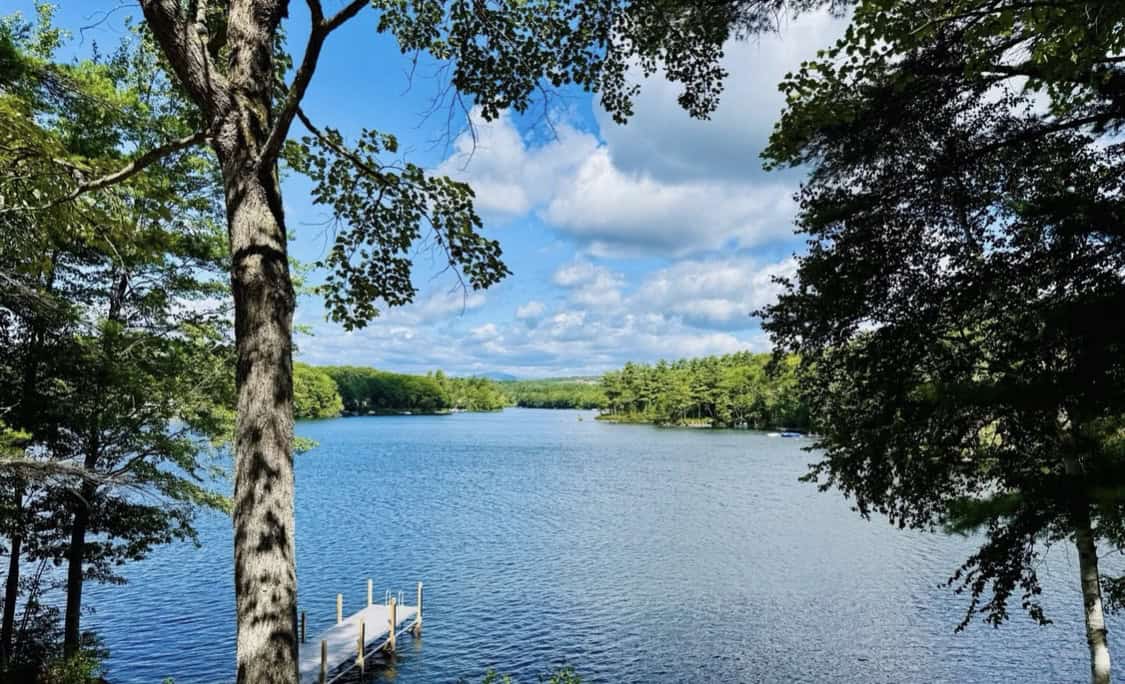
They find a beautiful property and only later realize the lake itself does not suit how they want to live. If you want to boat from town to town, dock and dine, explore islands, and feel like the water is part of your social life, a larger lake such as Winnipesaukee offers a very different experience from a smaller, quieter body of water.
If, on the other hand, your idea of heaven is a paddleboard at sunrise, a book by noon, and hearing loons instead of engines, a smaller lake or pond may suit you far better.
The house matters, certainly. But the lake dictates the rhythm of your life.
Big lake energy versus small lake sanity
Neither is better. They are simply different.
Larger lakes tend to offer more range, more activity, more boating, more waterfront destinations, and, often, more spectacle. Smaller lakes often offer greater calm, less traffic, more privacy, and a pace that feels less performative and more restorative.
That difference is not cosmetic. It shapes how often you use the property, who enjoys it most, and whether you still love it after the novelty wears off.
Waterfront has rules, and they matter

This is the part where the brochure usually goes quiet.
In New Hampshire, many waterfront properties fall within what the state calls the protected shoreland, generally land within 250 feet of certain public waters. That affects what can be cut, built, expanded, paved, altered, or replaced. Docking structures, shoreline stabilization, and other work at the water’s edge may also require separate review and permitting.
Then there is septic.
Since September 1, 2024, transfers of waterfront properties with septic systems in the protected shoreland generally require a professional septic evaluation before closing. Not every buyer knows this. They should. A pretty shoreline loses some of its charm when paired with a failing system and limited options for expansion.
This is why waterfront is not the time for casual representation. You want someone who understands how these pieces fit together before you are emotionally committed and financially cornered.
Shoreline matters more than people think
Not all waterfront is created equal, despite what listing prose would like you to believe.
Some buyers want a gradual sandy entry for children and easy swimming. Others need deeper water off the dock for boating. Some shorelines are easier to maintain, improve, or enjoy than others. Lot topography matters. Orientation matters. Privacy matters. The amount and usability of frontage matters a great deal.
Fifty feet of shoreline and three hundred feet of shoreline do not live the same way, and they certainly do not hold value the same way.
Sun exposure is not a detail
It is a lifestyle feature masquerading as a compass point.
Southwestern exposure tends to be coveted for good reason. It often means stronger afternoon light, longer evenings on the deck, and the sort of sunset that makes people forgive all manner of excess. Eastern exposure offers gentler mornings and cooler afternoons. Northern exposure may suit buyers who prefer softer light and less heat.
There is no universal right answer. There is only the one that fits how you actually want to live.
Learn the lake beyond the listing
Waterfront buyers should investigate more than bedrooms, baths, and price per square foot.
They should understand water quality, depth, circulation, lake health, and whether the waterbody has known aquatic invasive species concerns such as milfoil or fanwort. New Hampshire tracks infested waterbodies, and those issues can affect recreation, management costs, and long-term enjoyment.
They should also understand boating rules. Some New Hampshire waterbodies have horsepower restrictions or other operational limitations, and statewide rules require headway speed within 150 feet of shore, docks, swimmers, mooring fields, and other vessels. In plain English, not every lake suits every boat, and buying the boat first is a splendid way to make an expensive mistake.
Convenience still counts

Even dream properties live in the real world.
How close is the property to a marina, boat service, groceries, restaurants, golf, skiing, and the things that make spontaneous weekends feel easy instead of logistically annoying? Accessibility matters more than buyers often admit. The same goes for drive time from your primary residence or access via regional airports such as Laconia Municipal Airport, which serves as a gateway to the Lakes Region.
A lake house you use often will almost always matter more than a more glamorous one you rarely reach.
Do not ignore the difference between waterfront and water access
Direct waterfront is the dream for many buyers, and understandably so. But water-access communities can offer a compelling alternative, often with shared beaches, docks, or other amenities at a lower price point.
For some buyers, that is not a compromise. It is simply a smarter fit.
The real question is not whether a property sounds prestigious. It is whether it aligns with your budget, your habits, and the life you actually intend to lead there.
Final thought
Buying in the Lakes Region is not just a real estate transaction. It is a decision about how you want to spend your time, your money, your summers, your winters, and your weekends.
That decision deserves more than glossy photos and generic advice.
Waterfront can be magical, yes. But the best lakefront purchases are not driven by fantasy alone. They are shaped by lifestyle fit, clear-eyed due diligence, and a proper understanding of what you are buying beyond the view.
And that, inconveniently for the algorithms, still requires judgment.




.png)


Footer Social Links