




Accessory dwelling units are getting a lot of attention across New Hampshire, and for good reason. State law has made ADUs more accessible in many cases, including allowing one ADU by right per property and providing specific protections for ADUs between 750 and 950 square feet, while still leaving towns with authority over many local zoning details.
But here in the Lakes Region, an ADU is not just a policy topic. It is a property question.
For some homeowners, an ADU may create space for a parent, an adult child, a caregiver, or long-term guests. For others, it may offer flexibility for changing family needs, future housing options, or supplemental income where local rules allow it. It sounds simple enough. Add a smaller second living space and carry on.
Naturally, real estate prefers a more interesting plot.
Because around here, a promising ADU idea can run into all sorts of very local realities. Shoreland restrictions. Wetlands. Septic capacity. Wells. Steep driveways. Winter access. Ledge. Tight building envelopes. And that special New Hampshire tradition of discovering that the sentence “we thought it would be straightforward” should really be engraved on a cautionary plaque.
That does not mean an ADU is a bad idea. Quite the opposite.
It means the smartest ADU projects begin with due diligence, not daydreaming.
The first question is whether the property is a realistic candidate at all. Zoning, setbacks, lot coverage, surveys, deed restrictions, owner-occupancy rules, and short-term rental limits can all shape what is possible. Even in a more ADU-friendly legal environment, towns still control a great deal of what can be approved on a particular parcel.
Then there is the land itself.
In the Lakes Region, the site can quietly become the whole story. Wetlands, shoreland protections, buffer requirements, and erosion-control measures can all affect where an ADU may go and what must happen before construction begins.
Infrastructure matters just as much. If a home is on septic, can the system support additional bedrooms or living space? If the property relies on a private well, is there enough capacity for added demand? If the ADU is detached, what will it take to bring in water, power, heating, and other utilities without turning the yard into an excavation project with a budget problem? The source checklist also raises practical questions about sewer connection fees, separate meters, sewage ejector pumps, and whether an existing system can support the additional load.
And then there is construction reality, which tends to arrive wearing muddy boots.
Can equipment get to the site? Is there room for staging materials and deliveries? Will trees need to come down? Will the driveway need to be widened? Are there retaining walls, existing obstacles, or ledge that could affect cost and feasibility? These are not glamorous questions, but they are often the questions that decide whether a good idea stays sensible or starts behaving like an expensive hobby.
The design side matters too, especially if the goal is not merely to build an ADU, but to build one that actually works.
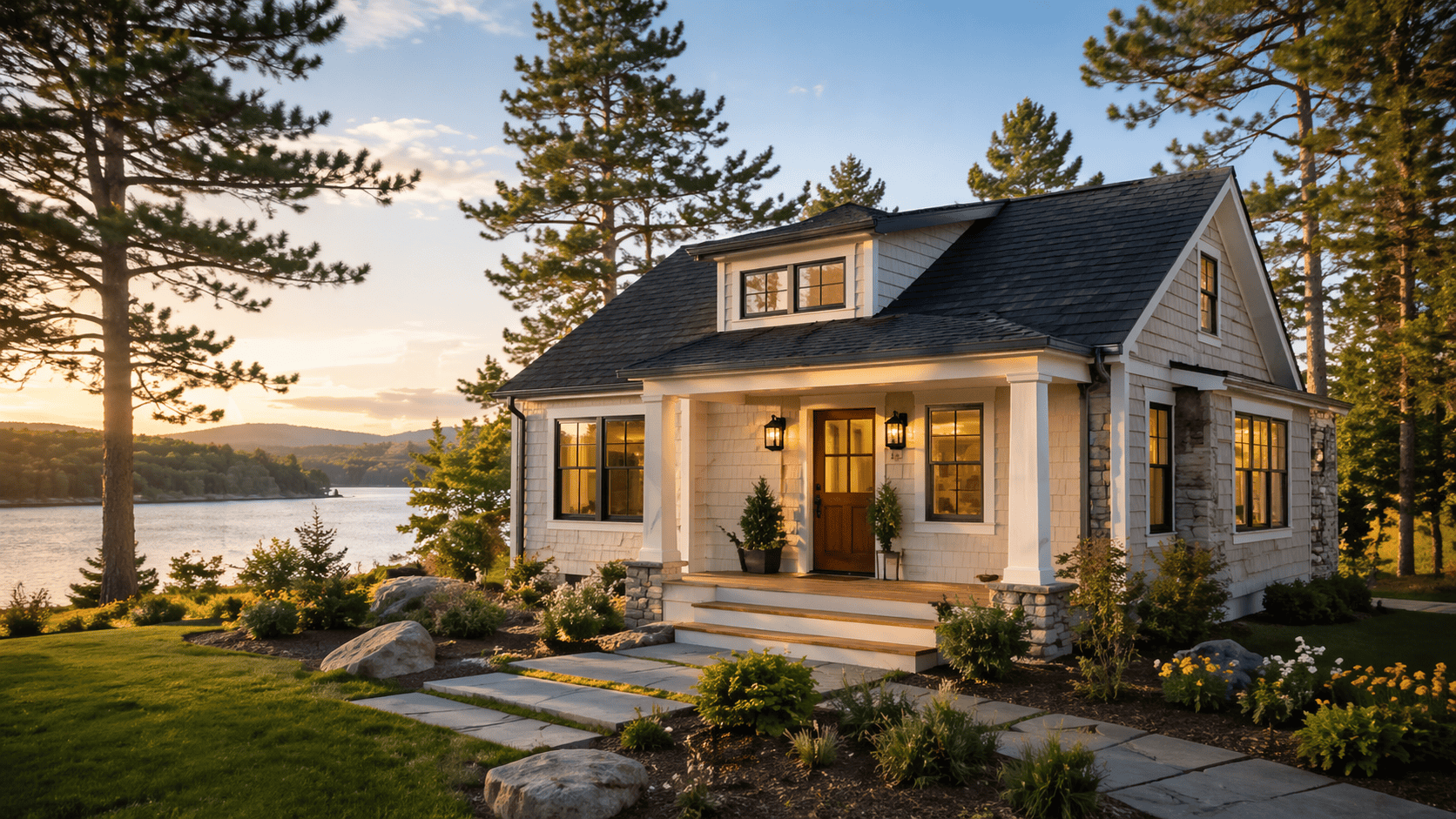
That means asking whether the space will be comfortable, private, accessible, and useful over time. Where will parking go? Will there be enough separation from the main house and neighboring properties? Is there adequate storage, laundry, outdoor space, and flexibility for future needs? A legal ADU is one thing. A good one is another.
That is what makes this conversation especially relevant in the Lakes Region. This is a market shaped by year-round residents, second-home owners, aging parents, returning adult children, seasonal properties, and the constant tug-of-war between local housing needs and real-world site constraints. ADUs can absolutely be part of the solution, but only when they are planned with a clear understanding of the property, the town, and the numbers.
Special thanks to Mark Ashley, Managing Broker of Maxfield Real Estate’s Center Harbor office, and Martha Trepanier of Maxfield’s Wolfeboro office for helping gather information that made this resource possible. Maxfield Real Estate serves the Lakes Region through its Wolfeboro, Center Harbor, and Alton offices.
The bottom line is this: an ADU can be a very smart move for a Lakes Region property, but only when it begins with the right questions.
Before falling in love with the idea, make sure you understand what your property can legally, physically, and financially support.
Because the best real estate decisions are rarely built on optimism alone. They are built on preparation.




.png)


Footer Social Links