




There is a moment in almost every waterfront home search when the view takes over.

The lake is sparkling. The dock looks inviting. The chairs are perfectly placed. Someone imagines morning coffee, family weekends, kayaks at sunset, and grandchildren jumping into the water before anyone has asked the first practical question.
That is understandable. New Hampshire’s Lakes Region is beautiful for a reason.
But buying waterfront property is not quite the same as buying a traditional home with a better backyard. A lakefront property includes the house, of course, but it may also include shoreline rules, dock systems, water depth, exposure, association requirements, seasonal maintenance, access questions, and environmental considerations that deserve careful attention before closing.
The goal is not to make waterfront buying intimidating. The goal is to help buyers understand what they are purchasing so the dream works in real life, not just in listing photos.
The Listing Is Only the Starting Point
A waterfront listing can show the home, the view, the deck, and the dock. What it cannot always show is how the property functions throughout the year.
Buyers should ask questions such as:
Is the dock permitted?
Is it seasonal or permanent?
Is the waterfront private, shared, deeded, or governed by an association?
What is the water depth?
What is the lake bottom like?
Is the shoreline sandy, rocky, shallow, deep, protected, or exposed?
Are there restrictions on tree removal, shoreline changes, patios, walkways, or dock modifications?
How busy is the water during peak summer weekends?
Where does the sun hit during the day?
What happens in winter?
These details can make a significant difference in how a lakefront property is enjoyed, maintained, and valued over time.
The Dock Matters More Than Buyers Expect
For many waterfront buyers, the dock is one of the most appealing features. It is also one of the features that deserves careful review.
Some docks are seasonal and must be removed, lifted, or adjusted before winter. Others stay in the water year-round and may require systems to protect them from ice damage. Some docks are private. Some are shared. Some may be grandfathered or subject to specific permitting conditions.
Before assuming a dock will work for your plans, it is important to understand its status, condition, maintenance requirements, and whether it can accommodate the type of boat or water use you have in mind.
A dock can add tremendous enjoyment to a lakefront property. It can also bring responsibilities buyers should understand before they own it.
Shoreline Rules Are Part of Waterfront Ownership
New Hampshire’s lakes are valuable natural resources, and shoreline regulations exist to protect water quality, wildlife habitat, vegetation, and erosion control.
That means buyers should be cautious about assuming they can immediately clear trees, expand outdoor living areas, add patios, stabilize shorelines, alter paths, or change dock structures without checking the applicable rules.
In many cases, improvements may be possible. In other cases, permits or professional guidance may be required. The key is to investigate before making plans.
Waterfront ownership comes with beauty and privilege, but it also comes with stewardship. Understanding those responsibilities early can help buyers avoid costly surprises later.
Not All Lakefront Is the Same
“Waterfront” is not one category.
A property on a quiet cove may offer a very different experience from one on a busier stretch of open water. A sandy, gradual entry is different from a rocky shoreline. Deep-water docking is different from shallow access. Morning sun, afternoon shade, prevailing winds, boat traffic, privacy, and views all affect how a property lives.
Two homes may appear similar online, yet feel completely different in person.
This is why local knowledge matters. The right lakefront property depends not only on the house, but on how the water, shoreline, exposure, access, and location fit the buyer’s actual lifestyle.
Photos Capture the Best Moment, Not Every Moment
Real estate photography is designed to show a property at its best. That is appropriate, but buyers should remember that waterfront living changes with time of day, weather, season, and lake activity.
A calm weekday morning may not reveal what the shoreline feels like on a busy July weekend. A beautiful dock photo may not tell you about wind exposure. A wide lake view may not explain water depth, bottom conditions, or how easy it is to swim, kayak, or dock a boat.
Whenever possible, buyers should look beyond the first impression and consider how the property will function during the times they are most likely to use it.
Experience on the Water Helps
Water is beautiful, but it deserves respect.
Lake Winnipesaukee and the surrounding Lakes Region waters offer extraordinary opportunities for boating, swimming, fishing, paddling, and relaxing. They also have rocks, shoals, changing weather, markers, traffic patterns, local customs, and conditions that experienced lake users take seriously.
Buying lakefront property does not mean a buyer needs to become an expert in every aspect of boating or shoreline management. It does mean the buyer should be represented by people who know which questions to ask and when to bring in additional expertise.
A Real Example: Rattlesnake Island
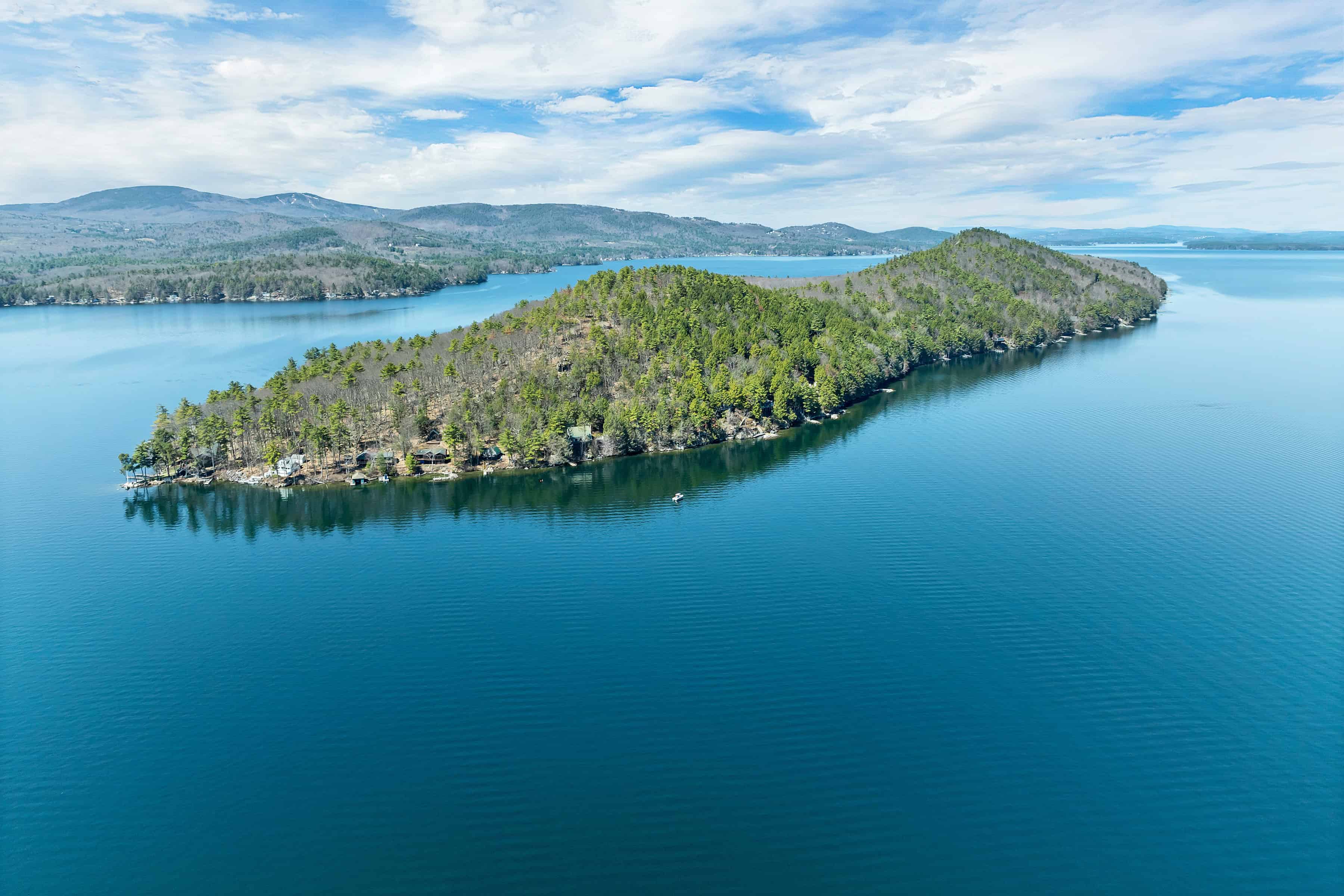
A good example is the current listing at 630 Rattlesnake Island in Alton, New Hampshire.
Island property is lakefront ownership with additional layers of planning. The view matters, of course, but so do access, docking, water depth, exposure, logistics, seasonal use, and how the property works once you are no longer simply admiring it from a screen.
The listing is co-listed by Vanessa Saunders of Maxfield's Alton Office and Jen McCullough of Maxfield Real Estate's Island Properties. Jen has the boat, knows Lake Winnipesaukee exceptionally well, and understands the access, docking, exposure, and on-the-water logistics that island buyers need to consider.
Vanessa brings the marketing, strategy, buyer education, and a lifelong respect for water from years of ocean sailing.
View 630 Rattlesnake Island, Alton, NH
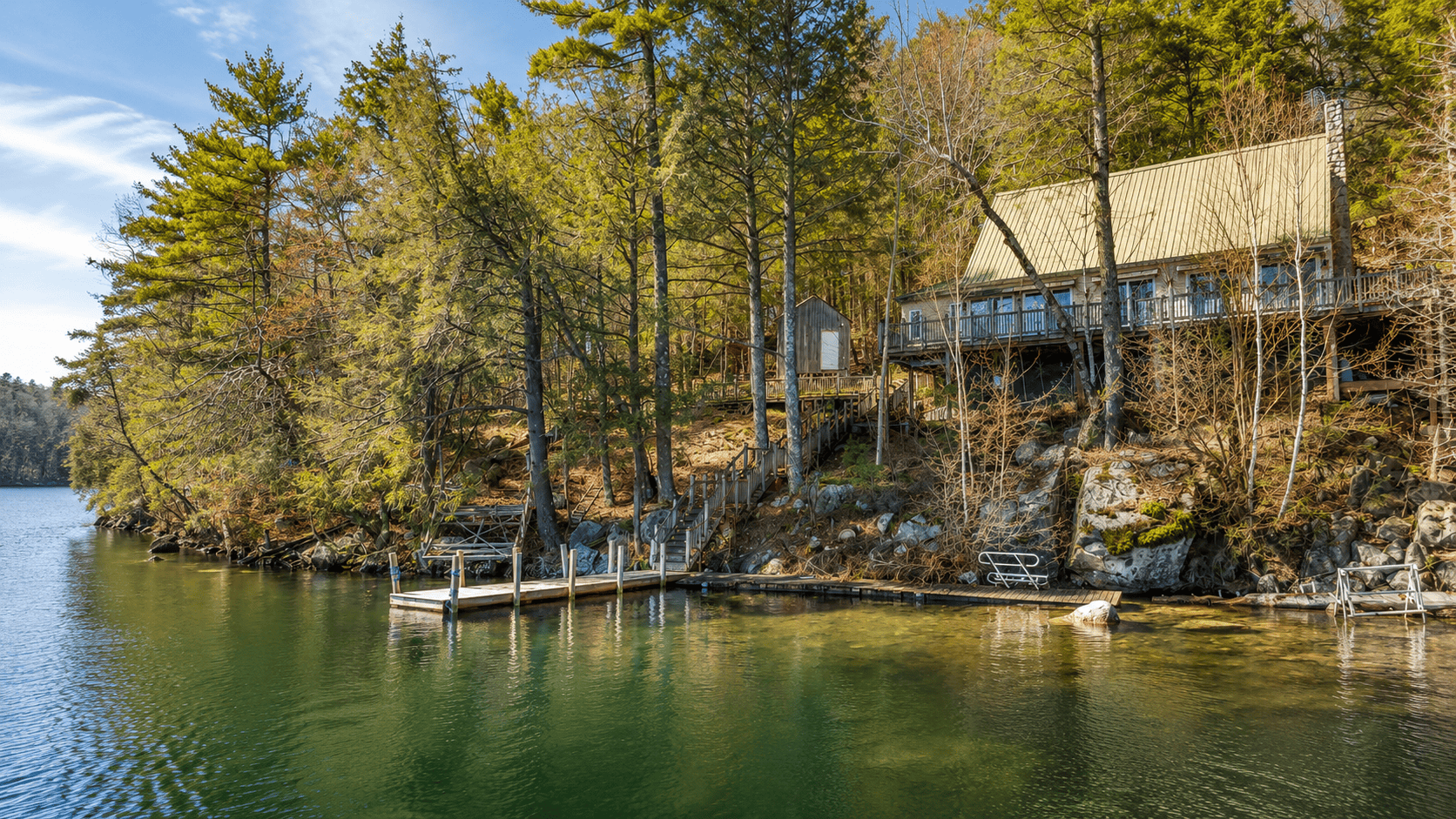
So, Before You Buy the View...
Waterfront living in New Hampshire’s Lakes Region can be extraordinary. It can mean morning coffee on the deck, afternoons on the dock, evenings on the water, and the kind of family memories that last for generations.
But the best lakefront purchases are informed purchases.
Before buying the view, buyers should understand the shoreline, dock, access, exposure, water depth, maintenance, association rules, permits, and seasonal realities of the property.
The right guidance helps buyers move from falling in love with the view to understanding the full value, responsibility, and opportunity of the property.
Because in lakefront real estate, what matters most is often just outside the frame.
That's where we come in.




.png)


Footer Social Links